The human spine is a complex structure that plays a crucial role in our overall health and well-being. It supports our body, protects the spinal cord, and allows for flexibility and movement. However, many individuals overlook the signs indicating the health of their spine until discomfort arises. In this article, we will explore the Signs of a Healthy Spine: What to Look For, discussing everything from posture to pain management.
What is Spinal Health?
Spinal health refers to the overall condition and functionality of the spine. A healthy spine should be aligned properly, flexible, and free from pain or discomfort. When your spine is healthy, you can carry out daily activities without limitations or fear of injury.
The Anatomy of the Spine
Understanding how your spine is constructed can help you identify signs of its health. The spine consists of:
- Vertebrae: These are individual bones stacked on top of one another. Intervertebral Discs: Cushions that sit between vertebrae, providing shock absorption. Spinal Cord: A bundle of nerves housed within the vertebrae that transmits signals between your brain and body.
Each part plays an integral https://www.zahnchiropractic.com/ role in maintaining overall spinal health.
Signs of a Healthy Spine: What to Look For
When assessing spinal health, there are several key indicators to consider:
Good Posture- Good posture prevents undue stress on the spine and reduces the risk of injury.
- A healthy spine allows for a full range of motion without pain or stiffness.
- One major sign of spinal health is the absence of chronic pain or discomfort in your back or neck.
- Equal strength in back muscles helps support proper alignment and reduces strain.
- Engaging in regular physical activity promotes spinal health by keeping muscles strong and flexible.
- A balanced diet, adequate hydration, and avoiding excessive smoking or drinking all contribute to spinal well-being.
Understanding Posture: The Foundation of Spinal Health
Posture plays a vital role in determining how well your spine functions.
Correct Standing Posture
When standing:
- Your ears should align with your shoulders. Your shoulders should be relaxed but not slouched. Your knees should remain straight but not locked.
Sitting Posture Matters Too
When seated:
- Keep your feet flat on the ground. Use a chair that supports your lower back. Avoid crossing your legs for extended periods.
Flexibility Checks: How Flexible Is Your Spine?
Flexibility is essential for allowing your body to move freely without restrictions or injuries.
Simple Flexibility Tests You Can Do at Home
Try touching your toes while standing. Sit cross-legged and lean forward gently. Rotate your torso left and right while seated.If these movements cause discomfort or you cannot complete them easily, it may indicate reduced spinal flexibility.
Pain Assessment: The Key Indicator
Pain can be subjective but recognizing its nature can help determine how well your spine is functioning.
Different Types of Pain to Monitor
- Acute Pain: Short-term pain that typically resolves itself. Chronic Pain: Persistent pain lasting longer than three months could indicate underlying issues.
If you're experiencing persistent discomfort, consult a healthcare professional immediately.
Muscle Strength: Supporting Your Spine's Structure
Balanced muscle strength around your core plays an essential role in maintaining proper spinal alignment.
Core Exercises That Promote Spinal Health
Incorporating exercises like planks, bridges, and abdominal crunches into your routine can enhance muscle strength and stability around the spine.
Plank Exercise: Builds endurance in core muscles. Bridges: Strengthens glutes and lower back. Crunches: Targets abdominal muscles for better support.Movement Frequency: Why Regular Activity Matters?
Staying active is crucial for maintaining spinal health over time.
Daily Activity Recommendations
Aim for at least 30 minutes of moderate exercise most days of the week:
- Walking Swimming Cycling
Incorporating these activities into daily life not only boosts cardiovascular health but also keeps those muscles engaged and flexible!
Lifestyle Choices That Impact Spinal Health
A healthy lifestyle goes hand-in-hand with maintaining optimal spinal condition.
Nutrition's Role in Spinal Health
A balanced diet rich in calcium and vitamin D supports bone density:
| Nutrient | Food Sources | |----------|-------------------------| | Calcium | Dairy products, leafy greens | | Vitamin D| Fish, fortified cereals |
Hydration also plays an important role; remember to drink plenty of water throughout the day!
Avoiding Harmful Habits
Habits like smoking increase inflammation levels within the body which could affect bone density negatively over time!
Common Misconceptions About Spinal Health
There are many myths surrounding what constitutes good spinal health; let’s debunk some common misconceptions!
Myth vs Reality
Myth: Only older adults need to worry about their spines. Reality: Anyone regardless of age can experience back problems!
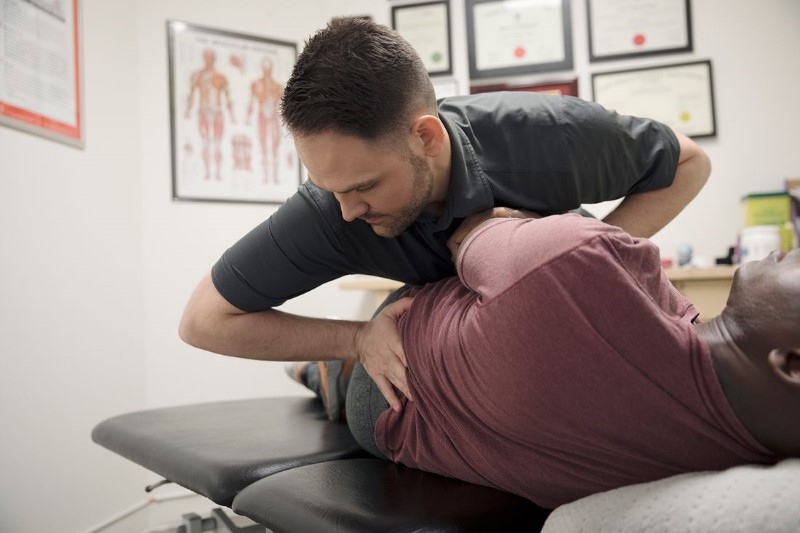
Myth: You need surgery if you have back pain. Reality: Many cases can be treated with physical therapy, lifestyle changes, or medication!
FAQs About Spinal Health
1. What are common signs that my spine might be unhealthy?
Common signs include chronic back pain, limited range of motion, poor posture habits, muscle weakness around the core area along with stiffness after long periods sitting or standing still.
2. How often should I check my posture?
It’s wise to assess your posture throughout each day—especially during prolonged sitting sessions! Consider setting reminders every hour.
3. Can stretching improve my spinal health?
Absolutely! Regular stretching helps maintain flexibility which reduces tension built up around muscles connected directly through ligaments surrounding vertebrae!
4. Is weightlifting bad for my spine?
Not if done correctly! Proper form during weightlifting strengthens supporting muscles effectively; however improper technique leads towards risk factors associated with injury.
5 Are there specific exercises recommended by professionals?
Yes! Exercises focusing on core stability such as planks & dead bugs promote better posture while strengthening surrounding areas!
6 What should I do if I experience sudden severe pain?
Seek medical attention immediately as acute episodes warrant thorough examination—don’t delay treatment!
Conclusion
Maintaining a healthy spine isn’t just about alleviating pain when it arises; it’s about actively engaging with practices that promote long-term wellness! By incorporating proper posture habits into everyday routines along with regular exercise & mindful nutrition decisions—it becomes easier than ever see positive results reflected through clearer indicators suggesting overall improved conditions regarding "Signs Of A Healthy Spine". So keep an eye out—your future self will thank you!